
What W&W Health Services Took From the 1st Annual Melbourne Disability Law Conference

W&W Health Services reinforced our belief in strong governance when
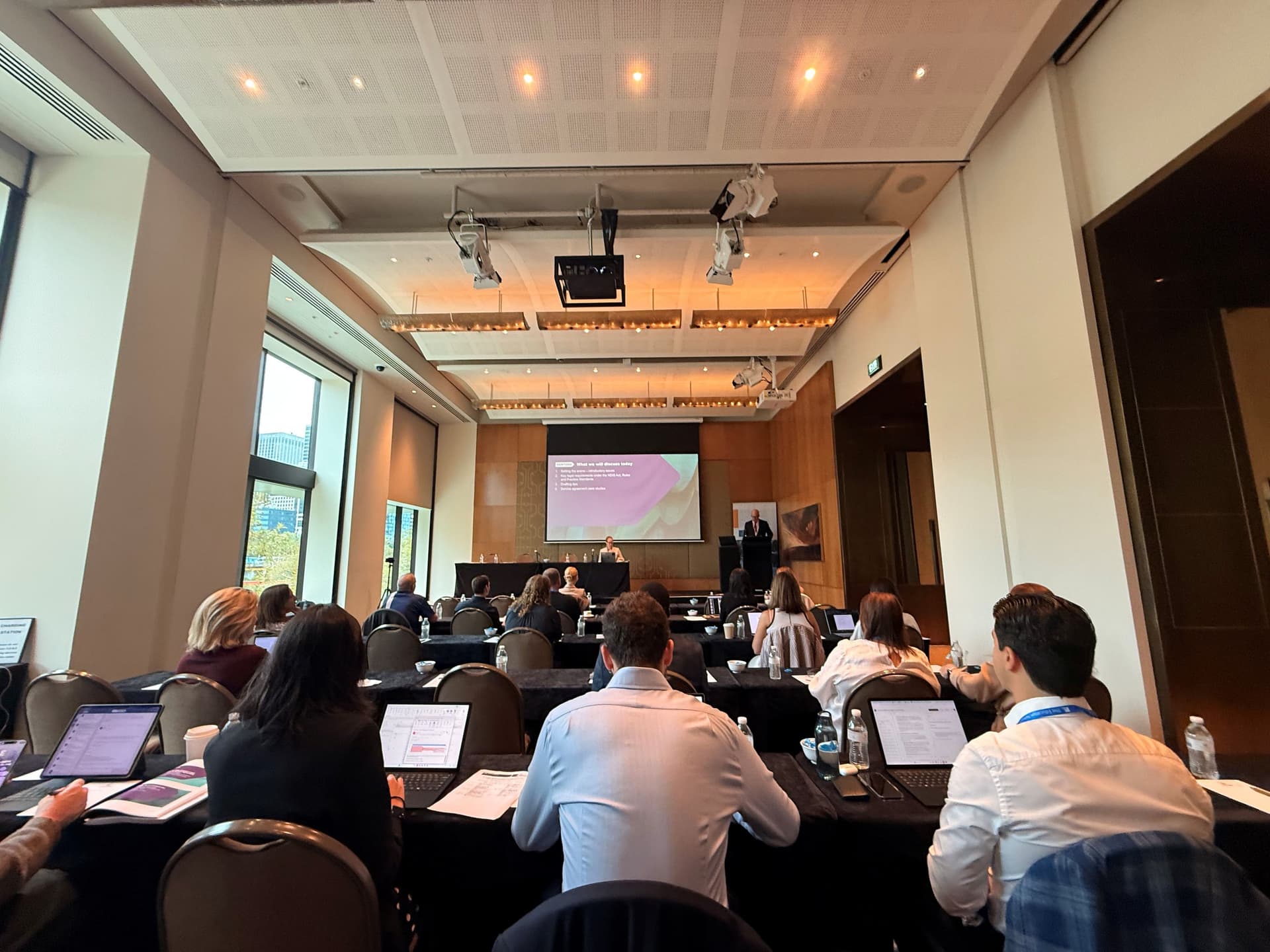
our team attended the 1st Annual Melbourne Disability Law Conference in Melbourne on 17–18 March 2026. Across the sessions, one theme stood out above all others: the disability services sector is moving into a far more active, scrutinised and evidence-based compliance environment. Providers are no longer judged only by whether they have policies, procedures and audit folders. They are being judged by whether their governance, safeguarding, workforce practices and service delivery systems are genuinely working in day-to-day operations.
1. Governance is no longer abstract - it is personal and operational
One of the clearest messages from the conference was that governance is not just a board agenda item. It is about prevention of harm, safeguarding integrity, and making sure leadership decisions translate into safe service delivery. The governance sessions highlighted growing scrutiny on directors, key personnel and senior leaders, including the expectation that organisational leadership actively supports legal compliance, incident response, worker capability and participant safety. Case studies showed the consequences when boards and leaders focus too heavily on commercial outcomes without equal attention to safety, wellbeing, feedback and systemic improvement.
For W&W, that means governance must remain practical, visible and accountable. Good governance is not what sits in a board pack. Good governance is what can be seen in supervision, escalation pathways, staff capability, incident follow-up, and the daily experience of participants and families.
2. Regulators are looking well beyond audit day
Another major takeaway was the extent to which the regulator now builds a picture of provider risk between formal audits. Complaints, reportable incidents, whistleblowers, spot checks, unannounced visits, data analysis, pricing anomalies, weak documentation and repeat issues all contribute to a provider’s risk profile. In other words, compliance is becoming far more dynamic and continuous.
The message for providers is simple: if records are weak, participant feedback is ignored, incidents are poorly managed, or systems are not followed consistently, those gaps can become enforcement issues. By contrast, providers with strong records, transparent practices and well-run systems are in a much better position to demonstrate compliance quickly and confidently.
3. Fraud, integrity and documentation are now central issues
The sessions on fraud and enforcement made it clear that scheme integrity is under sustained pressure. The conference material highlighted the multi-agency Fraud Fusion Taskforce, the scale of investigations already underway, and a regulatory focus on auditing requirements, pricing, misleading conduct, dishonest claiming and broader governance failures. Common issues identified included over-claiming, claiming for services not delivered, inducements, and conflicts or conduct that undermine participant interests.
For providers like W&W, the practical lesson is that documentation is not mere administration. It is evidence. Strong records, clear delegation, appropriate separation of duties, and transparent billing and service delivery practices are all essential to demonstrating integrity.
4. Duty of care is judged by what happens in real life, not what sits on paper
The safeguarding sessions were some of the strongest and most sobering. A repeated lesson across the material was that providers are judged on the systems workers were actually operating under: their training, supervision, guidance and practical oversight. The case examples showed that active supervision, following care plans, escalating deviations, and auditing real behaviour matter far more than simply having a roster, a form, or a policy in place.
This is particularly important in supported accommodation and higher-risk environments. Safe delivery requires staff to understand participant risk profiles, follow specialist plans, escalate concerns early, and work within systems that are real, monitored and reinforced.
5. Workforce compliance is growing in complexity
The employment law sessions highlighted another major risk area for NDIS providers: workforce settings. The presentations stressed the need to review whether workers are truly casuals, contractors or employees based on the real substance and practical reality of the relationship, not just the label used in a contract. The consequences of getting this wrong can include leave and wage issues, unfair dismissal exposure, sham contracting risks and broader Fair Work compliance problems.
The internal investigations session added an equally important point: when issues arise, providers need timely, proportionate and procedurally fair responses. Investigations can be triggered by complaints, reportable incidents, worker screening issues, alleged Code breaches and internal policy breaches. Common mistakes include poor documentation, unclear allegations, combining investigator and decision-maker roles, procedural failures, and ignoring worker wellbeing during the process.
6. Staff wellbeing is part of safe service delivery
One of the most important and forward-looking sessions focused on psychosocial hazards and mental health in disability services. The message was clear: high job demands, low control, poor support, remote work, trauma exposure, violence, bullying and poor organisational management can all harm workers and, in turn, affect the quality and consistency of participant support. The conference material also made the point that employers cannot wait for a formal complaint before acting where risks are foreseeable from the nature of the work itself.
For W&W, this reinforces that a safe workforce and safe participant outcomes go hand in hand. Supporting the supporters is not separate from compliance. It is part of it.
7. Service agreements and decision-making must be clear, fair and workable
The sessions on service agreements and decision-making authority were also highly relevant. Service agreements need precise scopes of service, fair terms, clear cancellation and exit provisions, privacy settings, complaint pathways, and proper confirmation of capacity, choice and control. The material also reinforced the importance of signed agreements wherever possible, and of clearly documenting circumstances where services proceed without signature.
Likewise, when families, guardians, advocates and participants all have views, providers need to be clear about who actually holds legal decision-making authority, what consent is required, what should happen when authority is uncertain, and how decisions should be documented to demonstrate compliance.
What this means for W&W Health Services
Our view coming out of the conference is straightforward:
The future of strong NDIS service delivery belongs to providers who can combine compassion with discipline, person-centred care with strong systems, and good intent with real evidence.
At W&W, we are committed to remaining at the forefront by continuing to strengthen:
- governance and accountability
- participant safeguarding
- workforce capability and supervision
- service agreement quality
- complaints and incident management
- information and record management
- staff wellbeing and psychosocial safety.
Compliance should never be treated as a burden sitting beside service delivery. In disability services, compliance is one of the clearest ways a provider shows respect for participant rights, safety, dignity and trust.
That is the standard W&W Health Services is committed to building every day.